
Redefining R.O.I.: Why Young Filipinos Choose Experiences Over Equities
Posted on 1/1/26
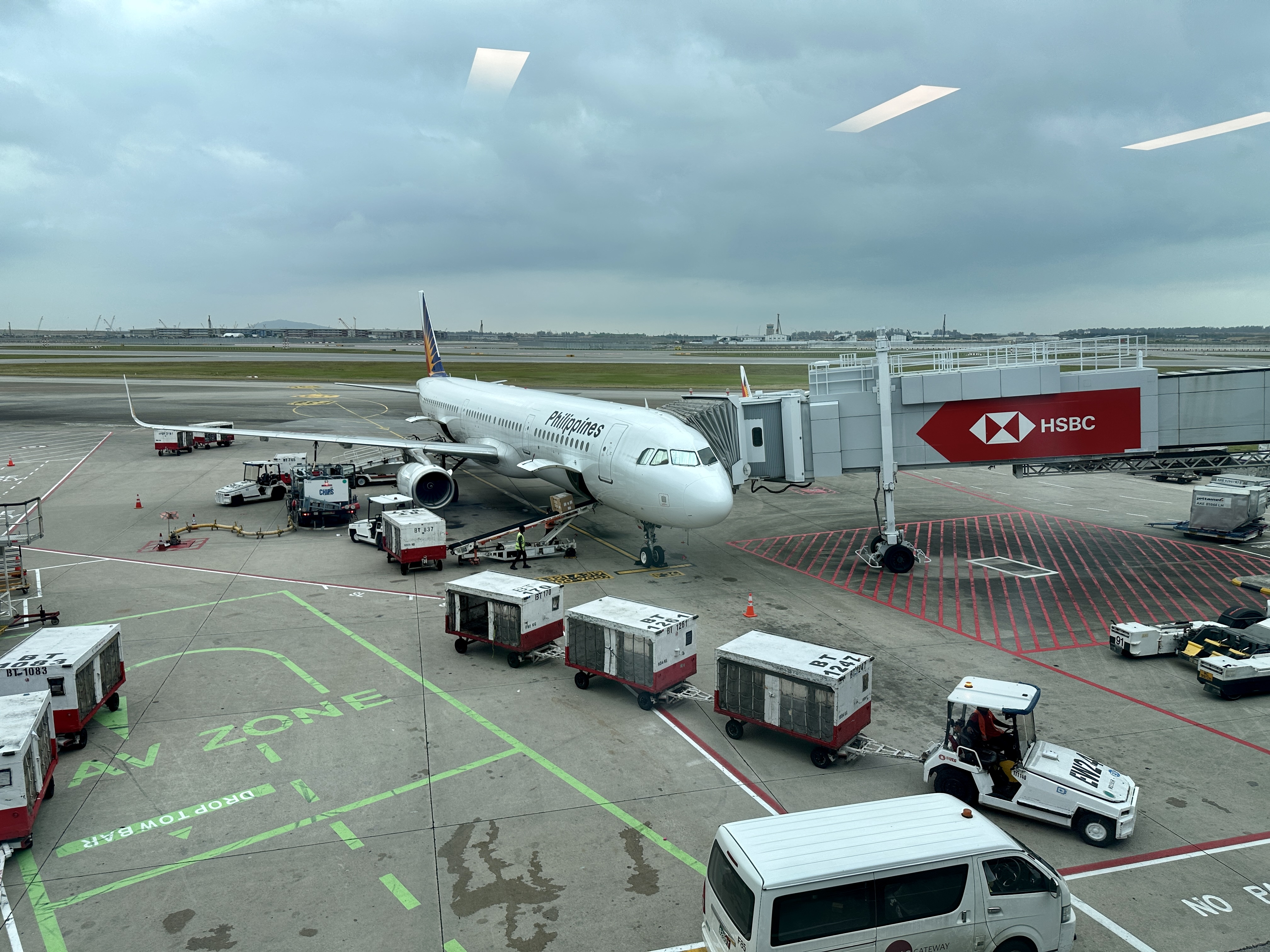
The classic financial dilemma—investing a significant bonus for future growth versus spending it on an immediate, enriching experience—is increasingly finding a clear answer among a key demographic. For a growing segment of Filipinos entering their peak earning years around 2026, the allure of an international escape to destinations like Hokkaido often outweighs the promise of compounding interest in a brokerage account. This isn't merely impulse; it represents a distinct cultural and financial paradigm shift. Modern Filipino professionals are increasingly prioritizing the vibrant experiences of their youth over solely accumulating wealth for a distant future.
This evolving mindset is starkly illuminated by a recent comprehensive study. Research and interviews involving 150 participants—ranging from fresh graduates to burgeoning small business owners—reveal a compelling trend in 2026 financial priorities. While a substantial 85% of respondents acknowledged the strategic value of the stock market, a mere 12% maintained active trading accounts. In contrast, an overwhelming 74% identified international travel as their primary financial goal for the year. This cohort, now enjoying significant disposable income, is actively pivoting from traditional Filipino financial aspirations like early land ownership or robust stock portfolios, instead favoring "return on experience" over conventional "return on investment."
The sentiment driving this shift was eloquently captured by Mika, a 24-year-old freelance graphic designer interviewed for the study: "I saw my parents save every centavo for a house they only fully enjoyed when they were too tired to travel. I’m making my own money now, and I’d rather see the world while my knees still work than see numbers on a screen that I can’t touch." This isn't merely a fleeting "You Only Live Once" philosophy; it has matured into a calculated lifestyle choice. For these fresh earners, the perceived volatility of market indices often feels like an unpredictable gamble, whereas a journey to a global city like Tokyo is seen as a guaranteed investment in personal development, well-being, and broader perspectives.
For the entrepreneurial segment within this group, travel also holds significant social and professional currency. Many small business owners view international trips not just as vacations, but as invaluable networking opportunities and potent sources of creative inspiration that a traditional dividend check simply cannot provide. The study highlighted that young entrepreneurs are approximately 40% more likely to reinvest their profits into travel-related research and exploration than into conservative financial instruments such as mutual funds. They contend that experiencing global markets firsthand in dynamic cities like Singapore or Seoul offers a practical, real-world MBA equivalent, yielding benefits far exceeding a modest annual gain from a bond portfolio.
This preference is further amplified by the remarkable accessibility of travel options today. The proliferation of "pay now, travel later" schemes and aggressive marketing by budget airlines around 2026 has made booking an adventure to El Nido or Bangkok a seamless, three-click process. Conversely, opening a brokerage account often still feels shrouded in complex jargon and cumbersome paperwork. The stark contrast between the frictionless nature of spending on leisure and the perceived high barrier to entry for the stock market has fostered a generation that, while financially literate in many respects, remains notably hesitant when it comes to traditional investments.
Underlying this trend is also a discernible skepticism towards traditional local investment avenues. Many young professionals interviewed expressed disillusionment, citing the often-sluggish growth trajectory of the local market over the preceding decade as a primary reason to seek fulfillment elsewhere. When the promise of long-term financial growth feels uncertain or slow, the immediate, tangible gratification of a breathtaking sunset in Boracay or a gourmet Michelin-starred meal in Osaka becomes an overwhelmingly attractive and irresistible alternative. For the contemporary earner in 2026, wealth is increasingly measured not by the size of an equity portfolio, but by the collection of stamps in a passport and the richness of their curated digital photo albums.
As the mid-2020s progress, this "Travel over Tickers" movement shows no signs of abating. While financial planners may voice legitimate concerns regarding retirement planning and long-term financial security, this generation of young Filipinos is actively redefining what a successful and fulfilling life truly entails. They are choosing to strategically invest in themselves through the lens of a camera and the soles of their shoes, placing a significant bet that the invaluable memories and personal growth cultivated today will ultimately yield a far richer return than any stock certificate they might have acquired.